
Exhaust Fan Selection Hub | Wall-Mount & Ceiling Exhaust Fans | Linggongshare
Wall-mount and ceiling exhaust fans for continuous and intermittent ventilation duty.
EXHAUST FAN PRODUCT LINEUP
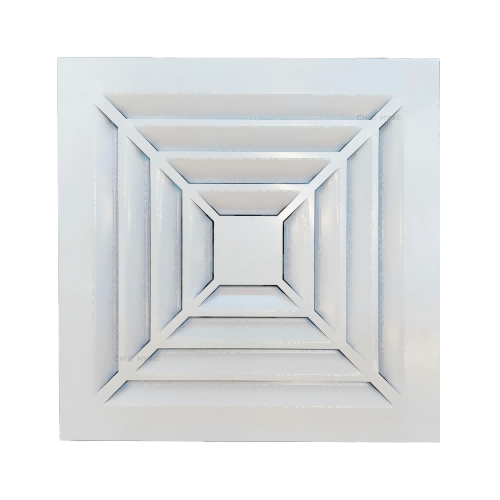 ceilingAlum Panel Ceiling FanCeiling-mounted extraction route with an aluminium panel finish for interior spaces.
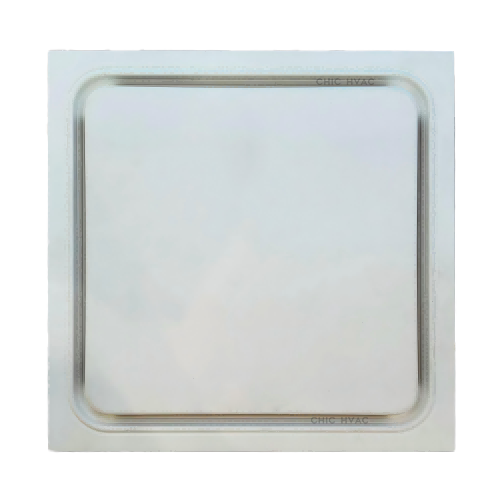 ceilingBPT-10-23S Ceiling Exhaust FanQuiet ceiling extraction route for bathrooms and enclosed washroom ventilation.
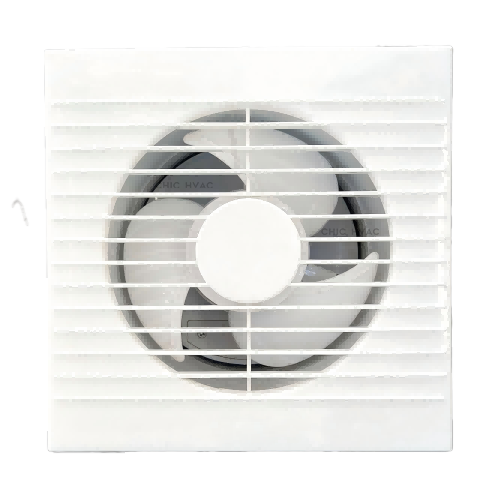 wallWall Mounted Bathroom FanWall-mounted exhaust route where a direct wall outlet suits the installation.
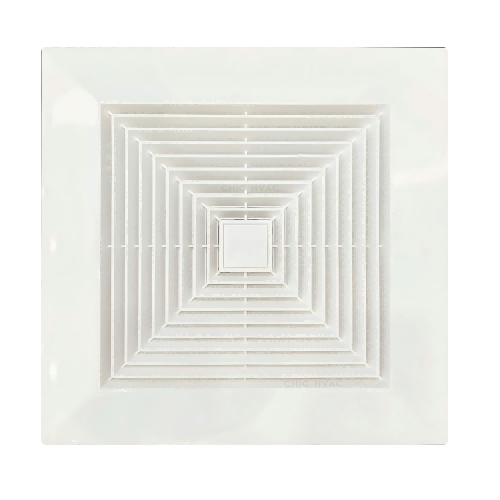 ceilingCeiling Exhaust FanCeiling exhaust route for rooms using a ceiling grille and duct or roof discharge path.
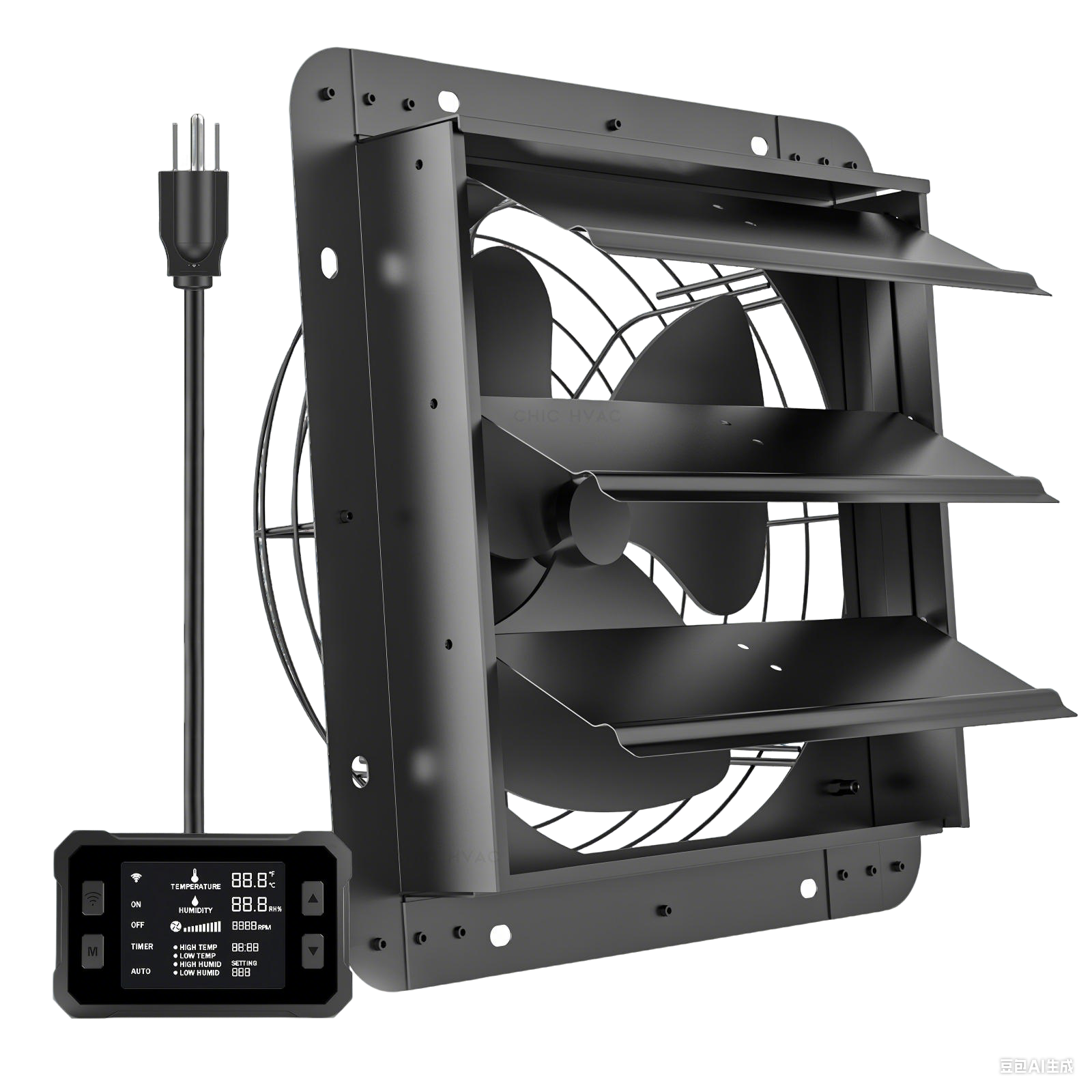 ecEC Motor Shutter Exhaust FanEC shutter fan route for wall openings that need controlled exhaust and backflow closure.
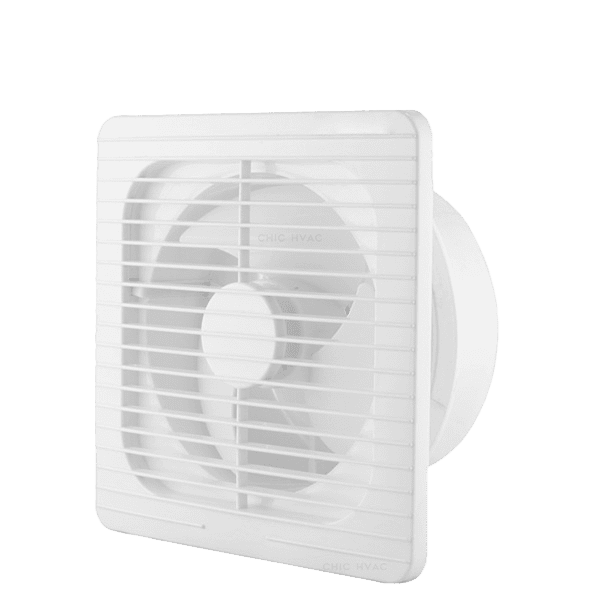 ecEC Bathroom Fan: Efficient, Quiet & DurableEC bathroom ventilation route for regular extract duty in bathrooms and small commercial restrooms.
CERTIFICATES
Commercial exhaust fan and industrial exhaust fan selection
A commercial exhaust fan and an industrial exhaust fan are specified against the same starting point — the air that has to leave the space — but the duty they are built for differs. Commercial covers shops, kitchens, washrooms, restaurants and small plants, where the run is short, the mounting is on a wall or ceiling, and the fan runs through the working day. Industrial covers workshops, plant rooms, production halls and process extraction, where the run is longer, the resistance is higher, and the unit is built to keep running.
The practical difference shows up in three numbers: airflow, static pressure and the mounting format. Read those from the published table on each model page rather than from the fan type alone.
Choosing between commercial and industrial duty
- Duct resistance. A short wall opening with a shutter needs very little pressure. Once a duct run, bends or a filter sit behind the fan, the static pressure requirement rises and the unit has to be chosen on its pressure figure, not its free-air airflow.
- Running hours. Commercial ventilation normally runs during trading or working hours. Industrial extraction can run continuously, which puts the motor and bearings on the critical path — check the published bearing life and motor type for the duty you need.
- Mounting format. Wall and ceiling formats suit commercial rooms; larger axial and centrifugal formats suit plant rooms and ducted industrial routes.
- Contaminant load. Grease, moisture, dust and heat change the model choice. Where any of these are present, confirm the model is specified for that exposure.
Commercial exhaust fan formats in this range
The wall and ceiling formats below cover the common commercial duties, including washroom, restroom, bathroom, kitchen and general room extraction. Where the fan is roof-mounted, the same shutter format is used at the roof opening.
- EC Motor Shutter Exhaust Fan — 16 inch (40.6 cm) unit published at 2,560 CFM with approx. 96 Pa static pressure, an EC motor with PWM 10-speed control and IP-44 protection. The automatic shutter closes the opening when the fan stops, which is what a commercial roof exhaust fan or wall exhaust position usually needs.
- Wall Mounted Bathroom Fan — APC series from 100 mm to 150 mm, published from 1.5 m³/min at 9 W (39 dB(A)) up to higher-airflow sizes in the same family. This is the format for commercial restroom exhaust fans and bathroom extraction on a short wall route.
- Ceiling and panel formats — the ceiling exhaust and aluminium panel ranges cover commercial rooms where the fan is mounted overhead and the opening is in the ceiling plane.
- Commercial kitchen exhaust — kitchen and hood extraction needs its own check: airflow tied to the hood length, plus the grease and heat exposure of the air being moved. A commercial kitchen ventilation hood is sized together with its duct route, not on its own. Confirm the model is specified for that duty before selecting; where cooking effluent is heavy, a centrifugal format for higher-pressure hood routes is normally the correct choice.
Roof-mounted and wall-mounted installations
The mounting position decides the format as much as the airflow does. Commercial roof exhaust fans and industrial roof exhaust fans use the same shutter and axial formats as the wall versions, specified with the opening in the roof plane instead of a wall. A commercial wall exhaust fan sits in a wall opening directly, with the shutter protecting the opening when the fan stops.
- Roof position. A roof mounted exhaust fan has to keep weather out of the opening while it is not running. Confirm the mounting base, the flashing or curb detail, the wind load at that height, and whether the unit is specified for the weather exposure of the site. Where the duty is industrial, the same checks apply against a higher airflow and pressure figure.
- Wall position. A commercial wall exhaust fan needs a clean opening and a short, direct route. Once the run continues into ductwork, the static pressure figure decides the selection rather than the free-air airflow. Industrial wall exhaust fans follow the same rule at larger sizes.
- Bathroom and restroom duty. Commercial bath exhaust fans run short wall routes at low pressure. The APC wall-mounted series covers this format from 100 mm to 150 mm, published from 1.5 m³/min at 9 W (39 dB(A)). That airflow is the ceiling of the format, so a space larger than a single room normally needs a different route.
- Louvered and shuttered openings. Where an outlet louver or shutter is fitted, it adds resistance and reduces the airflow the unit actually delivers — on the CBF explosion-proof axial range this is stated explicitly as a selection check. Select on the static pressure figure rather than the free-air airflow, and confirm the opening format suits the model you select.
Industrial exhaust fan and industrial blower formats
Larger airflow and higher pressure are handled by the axial and centrifugal ranges. Where the duty needs both volume and pressure — a long ducted run, a process extraction point, or a route with filters — a centrifugal unit is normally the correct format, and an axial unit is correct where the run is short and the airflow is the priority. An industrial blower duty of this kind is served by the centrifugal range: compare the published airflow and pressure figures for the models in each range before selecting, and confirm the construction is suitable for the air being handled — heat, moisture, oil mist and dust each rule out some models.
Commercial ventilation systems: one fan or a balanced arrangement
A commercial ventilation system is the whole arrangement — the fans, the duct route, the terminals, the controls and the commissioning — rather than a single unit. A commercial ventilation fan is one component inside it. Keeping that distinction makes tendering cleaner: the airflow a project has to meet is a system duty, so the fan is selected against the resistance of the route it actually sits in.
Which arrangement you need depends on the space. Where the requirement is spot extraction, a single commercial exhaust fan at the point of need is usually the whole system. Where the requirement covers a floor or a whole building, the commercial air ventilation system is normally balanced: extract points, a ducted route, and make-up air either through openings or from a supply fan. If the space is sealed — air-conditioned, or with doors kept closed — extract alone will not work, because there is no path for replacement air to enter.
What to send with a commercial or industrial ventilation enquiry
Send the room or process type, required airflow or the room volume and air-change rate, duct route and length, mounting position, voltage and frequency, quantity and destination market, plus any document requirements. Where the duty is commercial ventilation for a specific space, state the room use so the correct format can be confirmed rather than assumed.
Guides that go with this page: Bathroom Exhaust Fan Sizing, exhaust fan selection hub and CF-11 industrial centrifugal fan for the higher-pressure formats.
Documents & Compliance
View documents and compliance notes
Check the current buyer-facing document pack before tender, distributor review or customs preparation. Open the relevant product page and confirm the exact model scope before making a project compliance claim.
- Document hubUse the central certification page to review the current buyer-facing document set.
- Product scopeMatch each document to the exact Exhaust Fan product page and model before quotation.
- Use ruleRequest model-specific documents when the required file is not listed on the product page.
Document availability and scope must be confirmed against the exact product page, model and destination-market requirements before a compliance claim.
GUIDES
Selection guides for this range
Request a Quote for Exhaust Fan
Send your application, required capacity or airflow, installation conditions, quantity, destination market and document requirements. We will confirm the appropriate product family and exact model.
 English
  Русский
  Français
  Deutsch
  Italiano