
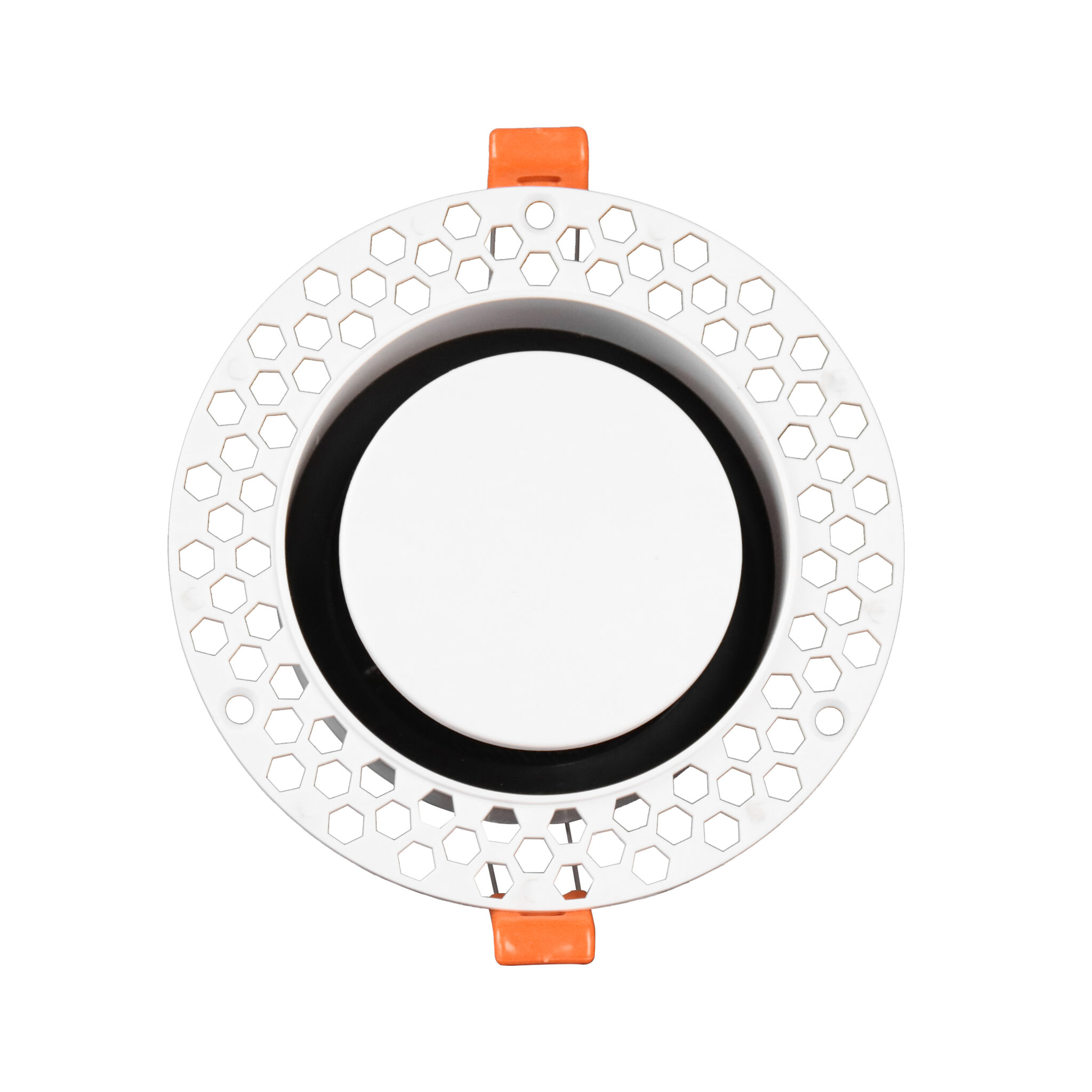
Hidden Round Duct Vent vs Exposed Grille: When a Low-Visibility Finish Matters
This is a concealed round outlet accessory rather than a performance-rated fan. The supplied product material shows an adjustable panel, spring clips, a brass i

Quick Answer: Choose a hidden round duct vent when the visible outlet needs to sit quietly within a finished wall or ceiling. The current product information supports a concealed finish discussion and two nominal sizes, Ø75 and Ø100. It does not publish airflow, pressure, or electrical performance, so those items still need project confirmation.
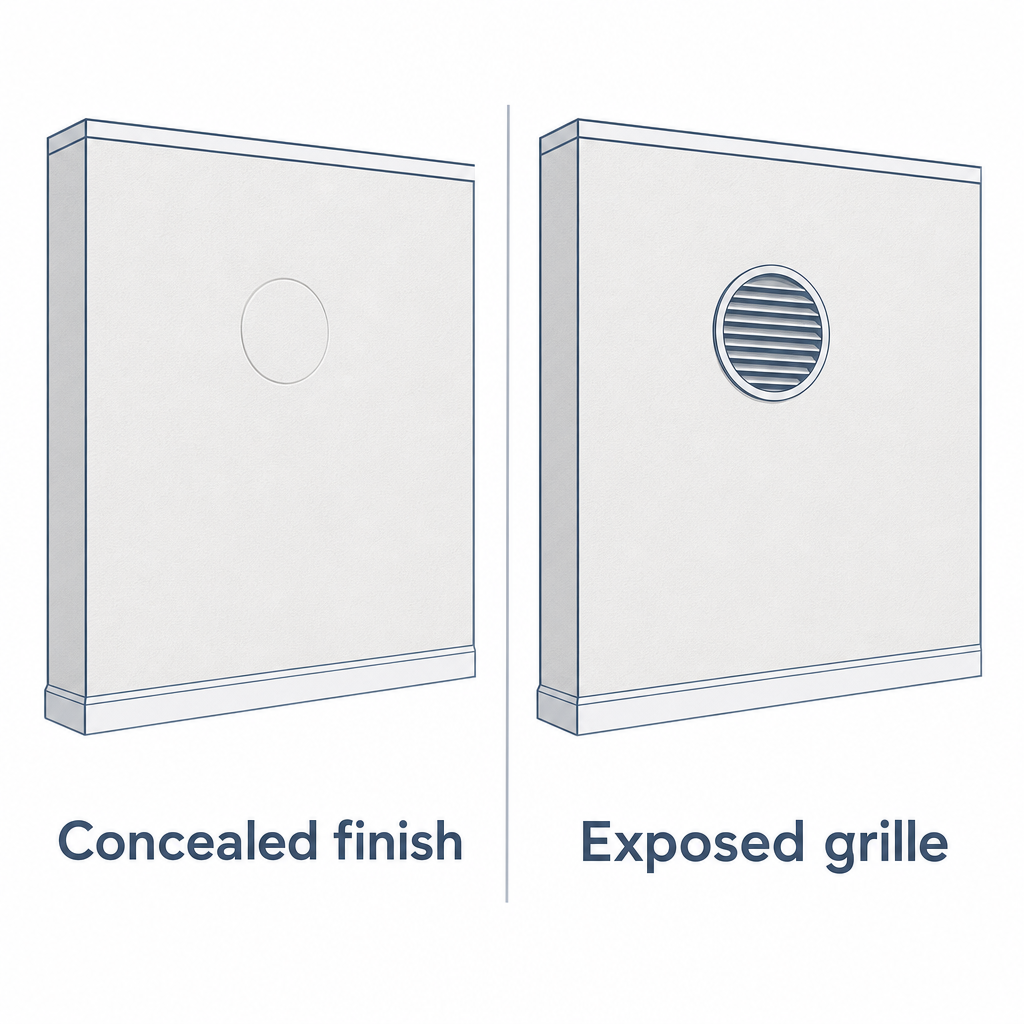
What makes this outlet different from an exposed grille?
This is a concealed round outlet accessory rather than a performance-rated fan. The supplied product material shows an adjustable panel, spring clips, a brass insert, and a built-in mesh screen. Its buyer value is surface integration: the visible outlet can be less dominant than a conventional exposed circular grille.
Review the published hidden vent features and configurations before deciding whether the visible finish is the main project priority.
When does a concealed finish make sense?
A low-visibility outlet is relevant when the wall or ceiling finish is part of the design brief. The supplied material shows paint-to-match use with wall, ceiling, wallpaper, and feature-wall finishes. Treat this as a finish-planning benefit, not as a claim about airflow, noise, or pressure performance.
Confirm the actual finish method against the project material schedule before ordering. The product page does not state one universal coating system.
What should you compare before selecting?
Start with the duct connection and the planned opening. The product page lists Ø75 and Ø100 nominal options. Match the chosen option to the duct route, opening drawing, available installation space, and finish requirement.
- Published: nominal Ø75 and Ø100 options, plus listed A/B/C dimensions.
- Shown in supplied material: concealed surface use and finish-coordination examples.
- Confirm per project: airflow duty, pressure, paired ventilation equipment, opening detail, and final coating method.
When should you ask for a configuration review?
Ask for a review when the duct diameter, opening size, finish requirement, paired equipment, or quantity is still open. This separates the product facts already published from project decisions that cannot be resolved by the accessory page alone.
FAQ
Is this vent intended for wall or ceiling finishes?
The supplied product material shows wall and ceiling finish applications. Confirm the actual installation surface, opening, and finish schedule for the selected project.
Does the product page publish airflow or pressure data?
No. The current accessory information publishes visible features and nominal sizes, not airflow, pressure, or electrical performance values.
Which sizes are currently listed?
The current product page lists Ø75 and Ø100 nominal options. Match the selected option to the planned duct connection and opening.
Next step
Open the hidden round duct vent product page to review the published features, dimensions, and inquiry route. For related decisions, read the Ø75 and Ø100 size guide or the finish-planning guide.
 English
  Русский
  Français
  Deutsch
  Italiano