
CBF Explosion-Proof Axial Fan Series | Ex db IIB T4 Gb
CBF Explosion-Proof Axial Fan Series for hazardous environments requiring Ex db IIB T4 Gb certified ventilation
- ADÉQUATION AU PROJET
- CBF Explosion-Proof Axial Fan Series for hazardous environments requiring Ex db IIB T4 Gb certified ventilation
- PLAGE DE PERFORMANCES
- CBF-300 to CBF-750 · 2,280–15,300 m³/h · 220–380V · fixed, duct, and mobile installation options

Explosion-proof Axial Fan CBF Series for Classified Hazardous-Area Ventilation
The CBF explosion-proof axial fan series is intended for classified-area ventilation projects. Confirm the exact Ex marking, document scope, and local site classification before final model selection.
Typical applications include chemical workshops, paint rooms, oil and gas support areas, warehouses, grain depots and other industrial zones that require explosion-proof ventilation equipment.
Core Engineering Features
Explosion-proof Axial Fan CBF Series for Classified Hazardous-Area Ven set against the published values on this page. Every point below is taken from this model’s own data.
Quality Assurance & Warranty
Fan orders are checked at the factory before shipping, because published airflow and pressure only hold if the delivered unit matches its table row.
Applied to this model: Best For Hazardous-area exhaust and supply ventilation, Selection Difference Use when explosion-proof marking and hazardous-area installation are required.. These checks are run against that specification before the unit ships.
OEM/ODM & Supply Options
For distributors and contractors working on ventilation projects, the supply side adapts to your market instead of one fixed fan build.
For this model (Best For Hazardous-area exhaust and supply ventilation, Selection Difference Use when explosion-proof marking and hazardous-area installation are required.), the OEM route can start from that base specification rather than a blank sheet.
Documents for technical review and quote preparation
Use these files to confirm model scope, domestic explosion-proof document coverage, and test evidence before requesting model confirmation.
Recommended reading order: catalog for model range, certificate for domestic explosion-proof scope, then inspection report for test evidence.
China domestic explosion-proof certificate and inspection report only. ATEX / IECEx / overseas explosion-proof claims are not stated unless separately verified.
Once the document scope is clear, move into the FAQ to clear fit, market-scope and quote-preparation questions before you send the project details.
Project fit
CBF-300 to CBF-750 are presented as one family, so buyers can compare size range before asking for a quote.
Fixed, duct and portable forms are separated visually to reduce wrong-fit inquiries.
Hazardous-area suitability is positioned as a confirmation item, not an unsupported promise.
The page tells buyers exactly what project information to send for model confirmation.
How to Narrow the Right CBF Model
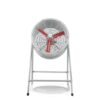
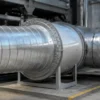
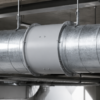
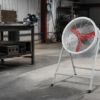
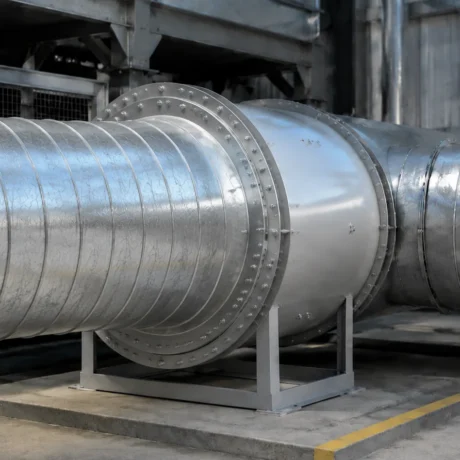
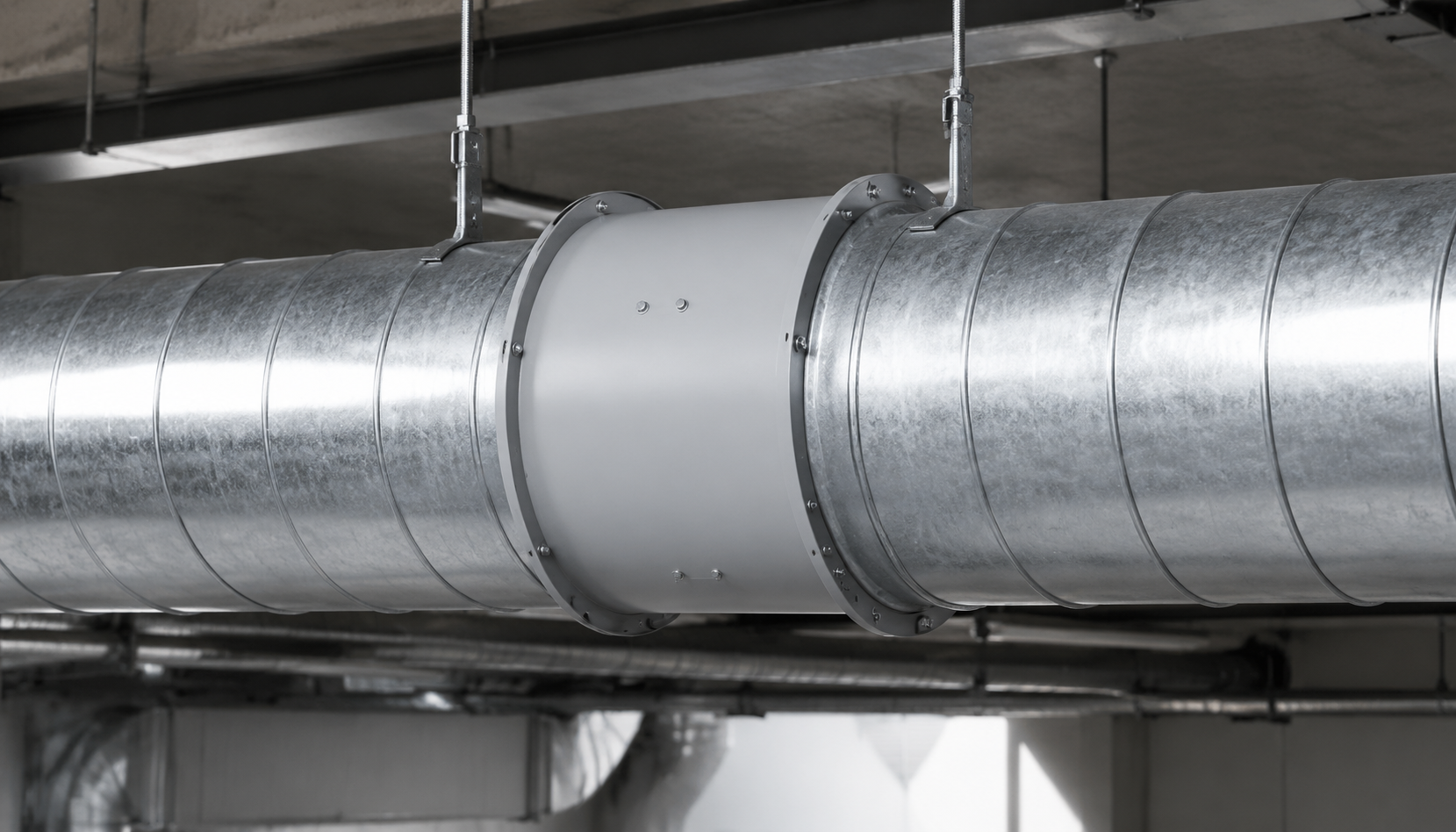
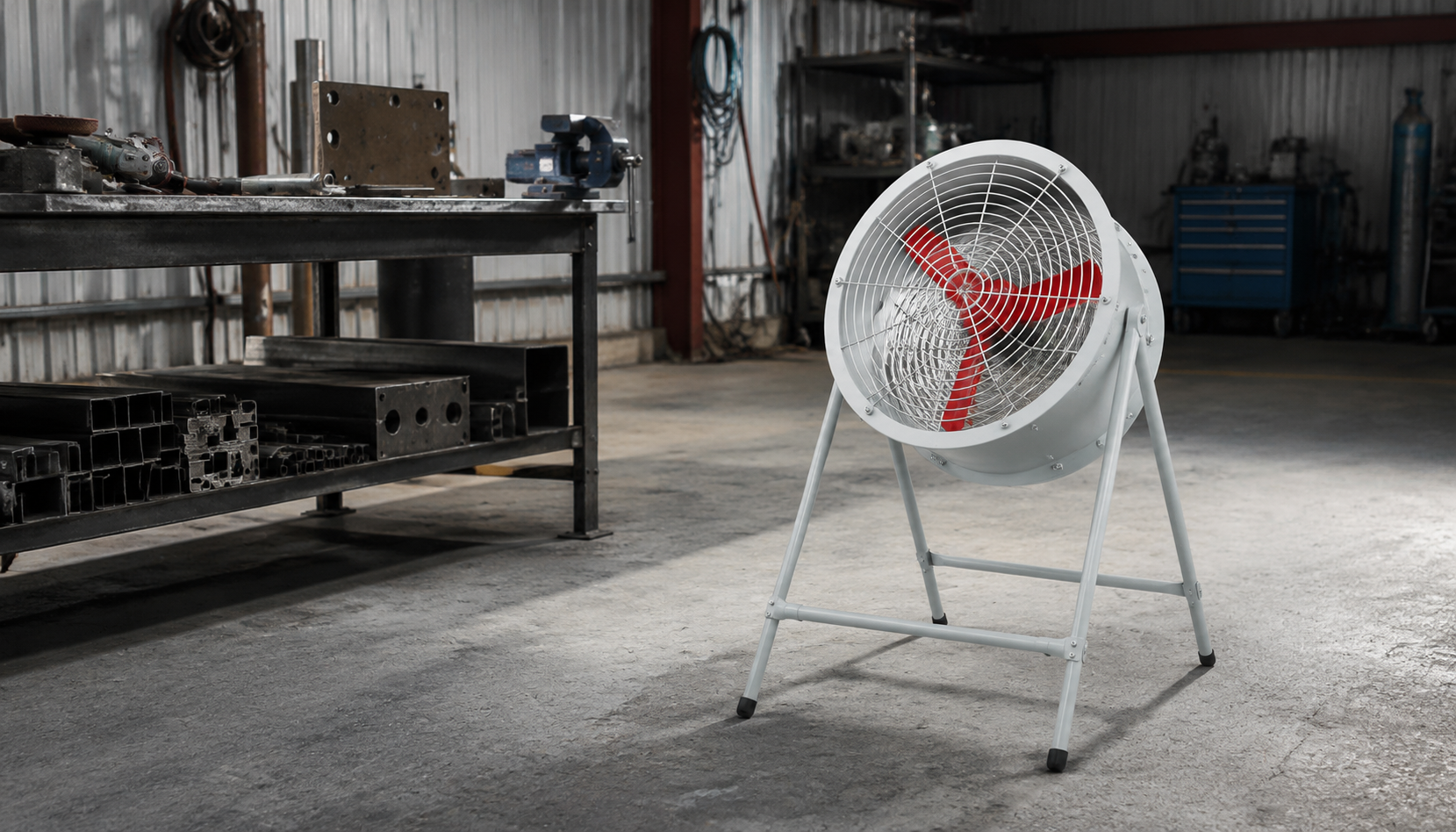
Choose the Right Installation Form Visually
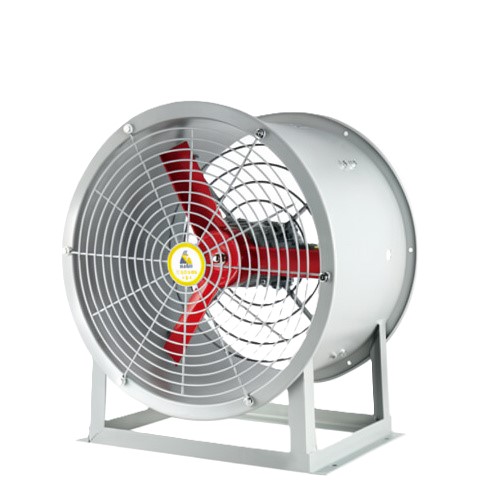
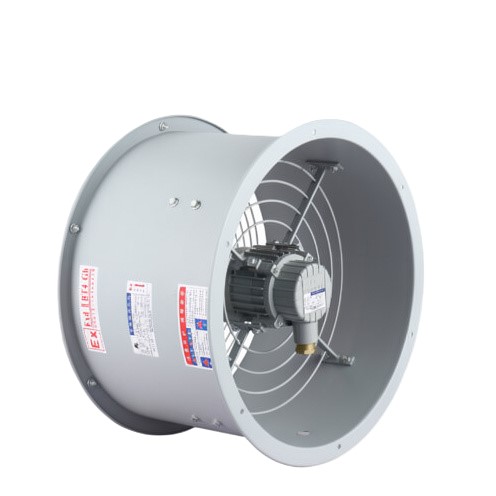
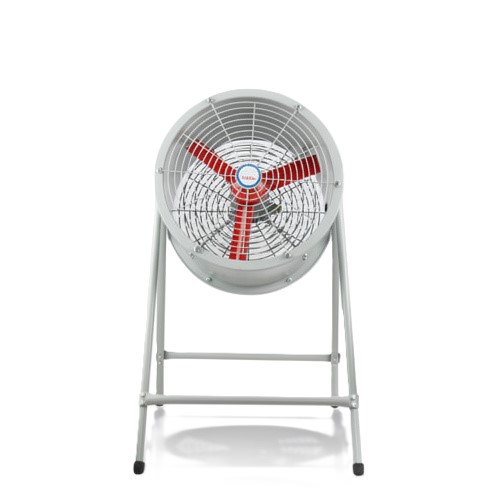
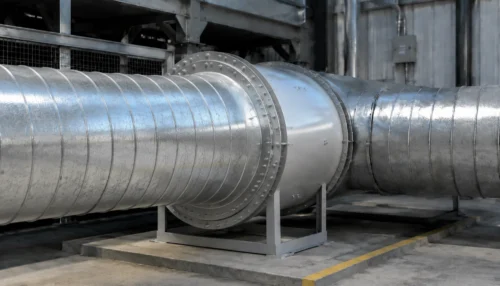
The CBF series is supplied in three practical installation forms. Match the physical form with the job site first, then confirm airflow, voltage and explosion-proof marking.
Selection factors the CBF Explosion-proof Axial Fan
Model review: Compare the published CBF-300, CBF-400, CBF-500, CBF-600, CBF-700 and CBF-750 rows above, then confirm hazardous-area requirements and document scope for the selected model.
- 1Confirm the hazardous-area classification: the project hazardous-area classification, gas group, temperature class and whether dust protection is required.
- 2Confirm the installation form: fixed wall/panel type, duct-connected type or portable temporary ventilation type.
- 3Confirm required airflow, static pressure allowance, duct length, number of bends and outlet resistance.
- 4Confirm voltage, frequency, grounding, cable routing and whether local electrical accessories must also be explosion-proof rated.
- 5Confirm the target market document package. CE, ATEX and IECEx status must be checked for export projects; do not rely on domestic certificates alone.
Compare CBF with Other Linggong Fan Options Only After Fit Is Narrowed
| Product / Series | Best For | Selection Difference |
|---|---|---|
| CBF Explosion-proof Axial Fan | Hazardous-area exhaust and supply ventilation | Use when explosion-proof marking and hazardous-area installation are required. |
| SF Axial Fan | General axial ventilation | Use only for non-hazardous areas where explosion-proof construction is not required. |
| DPT Duct Fan | Ducted fresh air and exhaust systems | Better for duct routing and quiet indoor ventilation, not for hazardous gas areas. |
| HF Oblique-flow Duct Fan | Inline booster airflow | Use for pressure-assisted duct ventilation in non-explosion-proof applications. |
Explosion-proof Rating and Safety Notes
| Élément | Available / stated value | Engineering meaning |
|---|---|---|
| Hazardous area | Classified hazardous-area ventilation; confirm gas/dust group and local site classification before use | For locations where explosive gas atmosphere may occur during normal or abnormal conditions. |
| Explosion-proof mark | Ex db ⅡB T4 Gb; Ex db ⅡC T4 Gb; Ex tb ⅢC T130℃ Db | Confirm final marking against the ordered motor nameplate and project specification before use. |
| Protection level | Inlet safety guard IP20; outlet safety guard IP10; matched explosion-proof motor IP65 | Suitable for many industrial environments, but not a substitute for corrosion-proof or outdoor weatherproof design. |
| Certificate information | Explosion-proof certificate SYEx25.08300; inspection report FB202508300; valid until 2030-09-17; issued/tested by Shenyang Electrical Driving Research Institute / Machinery industry Product Quality Supervisory and Test Center of Low-voltage Explosion-proof Electrical Product | Certificate number, issuing body and validity should be checked before project approval. |
| Export compliance | No overseas certificate currently available | For export or overseas projects, confirm target-market compliance for procurement planning; do not assume CE / ATEX / IECEx availability. |
CBF Series Model Range and Technical Parameters
| Modèle | Blade diameter | Airflow | Voltage | Power | Speed | Engineering meaning |
|---|---|---|---|---|---|---|
| CBF-300 | 300 mm | 2280 m³/h | AC220V / AC380V (confirm order voltage) | 0.18 kW | 1450 r/min | Compact point exhaust or small-room hazardous-area ventilation. |
| CBF-400 | 400 mm | 2880 m³/h | AC220V / AC380V (confirm order voltage) | 0.37 kW | 1450 r/min | Small workshop, equipment-room or localized exhaust ventilation. |
| CBF-500 | 500 mm | 5700 m³/h | AC220V / AC380V (confirm order voltage) | 0.55 kW | 1450 r/min | Medium airflow for continuous industrial exhaust or air replacement. |
| CBF-600 | 600 mm | 8700 m³/h | AC220V / AC380V (confirm order voltage) | 0.75 kW | 1450 r/min | Higher-volume ventilation for larger hazardous-area rooms. |
| CBF-700 | 700 mm | 10200 m³/h | AC220V / AC380V (confirm order voltage) | 1.1 kW | 1450 r/min | Large-diameter airflow option for volume ventilation projects. |
| CBF-750 | 750 mm | 15300 m³/h | AC220V / AC380V (confirm order voltage) | 1.5 kW | 1450 r/min | Highest listed airflow option; confirm final duty point for final selection. |
Published model rows are listed for comparison. For the selected configuration, review explosion-proof certificate SYEx25.08300 and inspection report FB202508300; models outside the listed range require separate confirmation.
Use the model range as the first filter: shortlist by airflow and power supply, then move into installation form and site resistance before requesting model confirmation.
Installation Types
| Type | Use case | Notes |
|---|---|---|
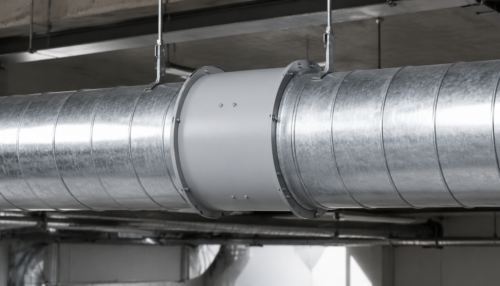
| Fixed type | Wall or panel-mounted exhaust ventilation | Suitable for stable long-term ventilation points. |
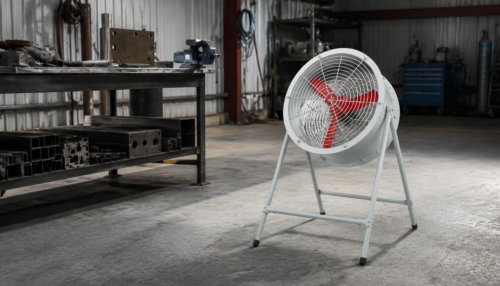
| Portable type | Movable floor-standing ventilation | Useful for temporary work areas; cable routing and grounding must be checked. |
| Duct type | Inline duct exhaust or supply connection | Check duct resistance and airflow loss before selecting the diameter. |
Installation limits
- Do not use this product where the required gas group, temperature class or dust zone exceeds the confirmed nameplate marking.
- Do not replace explosion-proof cable glands, junction boxes or motors with ordinary electrical parts.
- Do not use as a smoke exhaust fan for high-temperature fire conditions unless a fire-rated model is specified.
- For corrosive gas, outdoor exposure or marine environments, confirm anti-corrosion material and coating requirements before order.
How to Select a CBF Explosion-proof Axial Fan
- Confirm hazardous classification: the project hazardous-area classification, gas group, temperature class and dust requirement.
- Estimate required airflow: Room volume × required air changes per hour. Hazardous process areas often need higher air-change rates based on local safety rules.
- Check installation resistance: Wall mounting, duct length, bends and outlet louvers all reduce actual airflow.
- Match voltage and wiring: Confirm 220V single-phase or 380V three-phase according to site power supply.
- Verify certificates: Ask for the applicable explosion-proof certificate and export-market documents before project approval.
If you are replacing an existing fan, send us the old model, blade diameter, voltage, power, installation photo and hazardous-area requirement. We can help check the closest CBF replacement size.
When CBF Series May NOT Be the Right Choice
- You need certified smoke exhaust performance for fire conditions.
- The project requires ATEX or IECEx documents immediately and the certificate status has not been confirmed.
- The duct system has high static pressure; a centrifugal or mixed-flow fan may be more suitable.
- The site has strong corrosive gas, salt spray or outdoor weather exposure without anti-corrosion customization.
- You need precise low-noise comfort ventilation rather than industrial hazardous-area exhaust.
Typical Applications
- Chemical production and storage areas
- Oil and gas auxiliary workshops
- Paint booths, coating rooms and solvent storage areas
- Battery, electronics or material-processing rooms with hazardous ventilation needs
- Grain depots and combustible-dust-related industrial areas, subject to final dust-zone confirmation
Frequently Asked Questions
Can the CBF fan be used in classified hazardous areas?
The CBF page provides explosion-proof axial fan information for hazardous-area ventilation projects. Final suitability must be confirmed against the exact Ex marking, gas group, temperature class, certificate documents and local site classification before use.
Which CBF model should I choose?
Start with required airflow, installation type and power supply. Compare the CBF-300 to CBF-750 model range, then confirm voltage, duct resistance, mounting form and document requirements before requesting model confirmation.
What installation forms are available for the CBF series?
The page separates fixed front/rear duct connection, inline duct type and mobile four-foot portable type. Fixed and duct forms require duct or interface confirmation; mobile workstation use does not require duct connection.
What should I send before model confirmation?
Send the target airflow, installation form, voltage and frequency, hazardous-area classification, gas group or dust condition if known, mounting location, quantity and destination. If the site classification is still under review, send the current project description first so the model and document scope can be checked for quote review.
Are ATEX or IECEx documents available for this CBF page?
This page shows the current domestic explosion-proof certificate and inspection report scope. Do not assume ATEX, IECEx or other overseas explosion-proof approval unless those documents are separately provided and verified for the exact model and project requirement.
What happens after I send the fit-check package?
Linggongshare reviews the airflow target, installation form, voltage, hazardous-area notes, destination and quantity first. If the project details are enough, the team can narrow the model and document scope for quote review; if site classification is incomplete, the reply will list the missing confirmation items.
If these answers match your project conditions, move to the fit-check package below so the model and document scope can be confirmed for quote review.
Related products
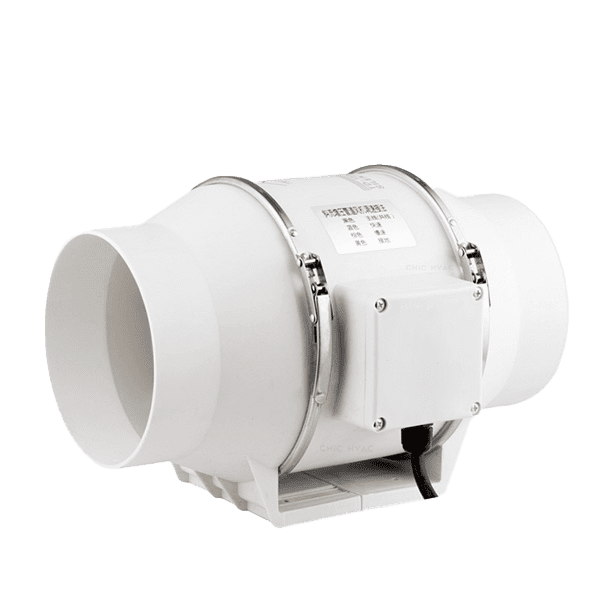
Adjacent models customers compare before deciding. Open a card to see its own published specifications.
.png)
Product inquiry
Confirm the published specifications, then add this product to your quote list.
 English
  Русский
  Français
  Deutsch
  Italiano