
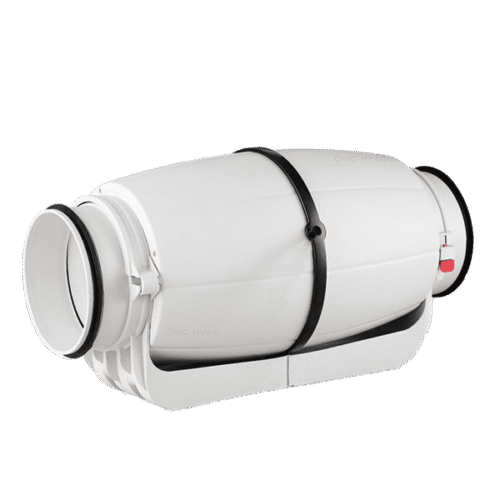
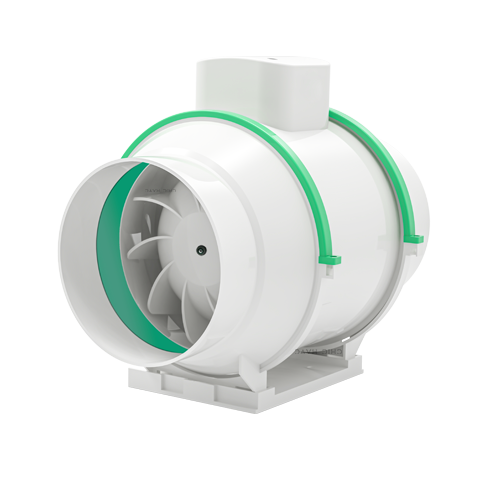
Silent Mixed Flow Inline Duct Fan | High Pressure Quiet Ventilation
Silent Mixed Flow Inline Duct Fan for high-pressure quiet ventilation in noise-sensitive duct systems
- Project fit
- Silent Mixed Flow Inline Duct Fan for high-pressure quiet ventilation in noise-sensitive duct systems
- Model range
- Single model · mixed-flow · high pressure · quiet operation · inline

Start with the published HF model data
Compare the published airflow, static pressure, noise and size rows for HF-100/125, HF-150 and HF-200 before reviewing the duct route and installation conditions.
Ducted ventilation and air movement projects.
Match airflow, duct resistance and installation space.
Send route details so the model can be checked correctly.
Silent Mixed Flow Inline Duct Fan Selection Notes
Related Linggong ventilation products
Sound level by model (published data)
Noise is often the deciding factor for a low noise mixed flow fan. The published Noise dB(A) column in the model table above gives a direct comparison: HF-100/125 is rated at 30 dB(A), HF-150 at 45 dB(A) and HF-200 at 55 dB(A). All three are measured at the same conditions shown in that table.
Read the table by airflow instead of by model number where possible. Higher airflow and static pressure generally mean more sound, so choosing the smallest model that still meets the required airflow and static pressure is the most effective way to keep a mixed flow inline duct fan quiet. If the duty point sits near the top of a model range, moving one size up and running it further from its maximum can also reduce perceived noise.
For duct systems where sound is critical, compare this series with a super quiet centrifugal duct fan or review the silent duct fan options before fixing the model.
- Mixed flow inline fan
- HF-200 oblique-flow duct fan
- Super quiet centrifugal duct fan
- Commercial ventilation guide
Silent duct fan, low noise ducted fan or quiet inline duct fan?
Buyers reach this series under several names: a silent mixed flow inline duct fan, a silent inline duct fan, a low noise ducted fan, a quiet inline duct fan, or simply a silent duct fan. They describe the same requirement — a fan mounted in the duct line whose published sound figure is low enough for the space it serves. The published Noise dB(A) column above is the figure that matters, because it is given per model and per operating gear rather than as a family average.
Where a duct run passes a bedroom, office or meeting room, select the model by its low-speed sound figure first and its airflow second. If two models meet the airflow target, the one with the lower published low-speed figure is the quieter installation. For higher-pressure duct routes where sound is less critical, the mixed flow inline fan range covers the same format with a wider pressure spread.
Häufig gestellte Fragen
What is a silent mixed flow inline duct fan best for?
It is best for duct systems that need more pressure than a basic axial fan but quieter operation than many industrial centrifugal fans.
Is a mixed flow fan different from an oblique-flow duct fan?
Yes. Both can work in ducts, but mixed-flow fans combine axial and centrifugal airflow characteristics, while HF oblique-flow models are specified by duct size and pressure class.
How quiet is a low noise mixed flow fan?
Published sound levels for this series are 30 dB(A) for HF-100/125, 45 dB(A) for HF-150 and 55 dB(A) for HF-200. Because airflow rises with the larger models, the quietest choice is usually the smallest model that still meets the required airflow and static pressure.
Where should I link from this page for model selection?
Use the related HF and centrifugal duct fan pages below to compare duct diameter, airflow and static pressure before selecting a model.
Produktkatalog als PDF herunterladen
Laden Sie das englische Produktkatalog-PDF herunter für Silent Mixed Flow Inline Duct Fan | High Pressure Quiet Ventilation. Nutzen Sie es für Modellvergleich, technische Prüfung und Anfragevorbereitung.
Nutzen Sie das genaue Modell, die Spannung und die Einbaubedingungen für die Projektauswahl.
Zentrale Konstruktionsmerkmale
Start with the published HF model data set against the published values on this page. Every point below is taken from this model’s own data.
Qualitätssicherung & Garantie
Ventilatorbestellungen werden vor dem Versand im Werk geprüft, denn veröffentlichter Luftstrom und Druck gelten nur, wenn das gelieferte Gerät seiner Tabellenzeile entspricht.
Angewandt auf dieses Modell: Spannung (V) 220, Frequenz (Hz) 50. Diese Prüfungen werden anhand dieser Spezifikation durchgeführt, bevor das Gerät ausgeliefert wird.
OEM/ODM & Supply Options
Für Distributoren und Auftragnehmer in Lüftungsprojekten passt sich die Lieferseite Ihrem Markt an statt einer festen Ventilatorkonstruktion.
Für dieses Modell (Spannung (V) 220, Frequenz (Hz) 50) kann die OEM-Route von dieser Basisspezifikation statt von einem leeren Blatt ausgehen.
Related products
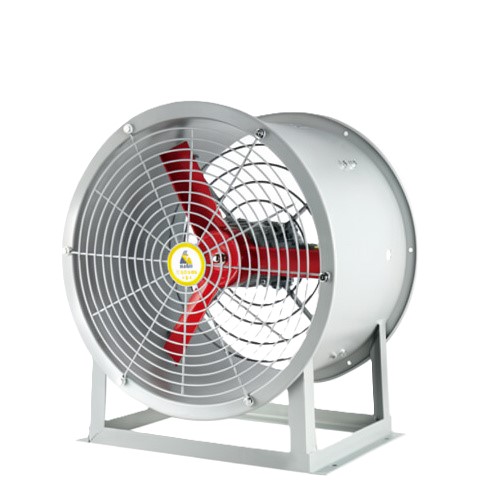
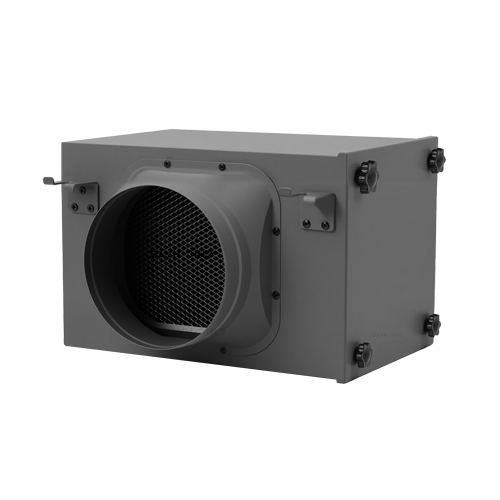
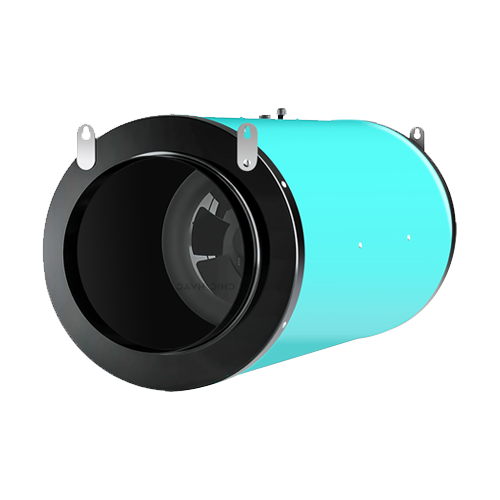
Benachbarte Modelle, die Kunden vor der Entscheidung vergleichen. Öffnen Sie eine Karte, um die eigenen veröffentlichten Spezifikationen zu sehen.
ANGEBOTSROUTE
Angebot für diesen Ventilator anfordern
Senden Sie das Zielmodell oder den erforderlichen Luftvolumenstrom, Kanaldetails, Spannung, Menge und Projektland. Wir bestätigen die geeignete Version und stellen die erforderlichen technischen Dokumente bereit.
- Zielmodell oder erforderlicher Luftvolumenstrom
- Kanaldurchmesser, Verlauf und Widerstand
- Spannung, Frequenz und Menge
- Land, Anwendung und erforderliche Dokumente
 English
  Русский
  Français
  Deutsch
  Italiano